
Spring in Anderson means one thing for many homeowners: it's time to tackle those DIY projects that have been waiting all winter. From Lake Hartwell dock repairs to updating that Boulevard home's vintage charm, having an organized workshop can make the difference between a successful project and a frustrating mess. Living in the Electric City, we're surrounded by both historic homes that need thoughtful restoration and newer properties perfect for customization.
Setting up an efficient home workshop in your garage or basement isn't just about having the right tools — it's about creating a space that inspires productivity and keeps everything within reach. Many Anderson residents struggle with workshop organization, often because they're trying to make their garage serve triple duty as car storage, workshop, and general storage area. The good news is that with some strategic planning, you can transform even a cramped basement or shared garage into a functional workspace.
Before diving into organization systems, take an honest look at your available space. Anderson homes vary dramatically — from historic downtown properties with compact basements to newer developments in North Anderson with spacious three-car garages. Each presents unique opportunities and challenges for workshop setup.
Start by measuring your space and noting existing features like electrical outlets, windows for natural light, and water access. In many Anderson basements, you'll find that old mill town construction means sturdy concrete walls perfect for mounting heavy tool storage. Garage workshops benefit from Anderson's generally mild climate, though summer humidity can affect certain tools and materials.
Consider your primary project types. Are you focused on woodworking, automotive repair, general home maintenance, or crafts? A woodworker needs dust collection and lumber storage, while someone focused on boat maintenance for Lake Hartwell adventures needs different tool organization and ventilation considerations.
Take inventory of everything currently in the space. Many Anderson homeowners discover their workshop storage issues stem from items that don't belong there at all — holiday decorations mixed with power tools, seasonal sporting goods crowding workbenches, or boxes of memorabilia taking up prime real estate.
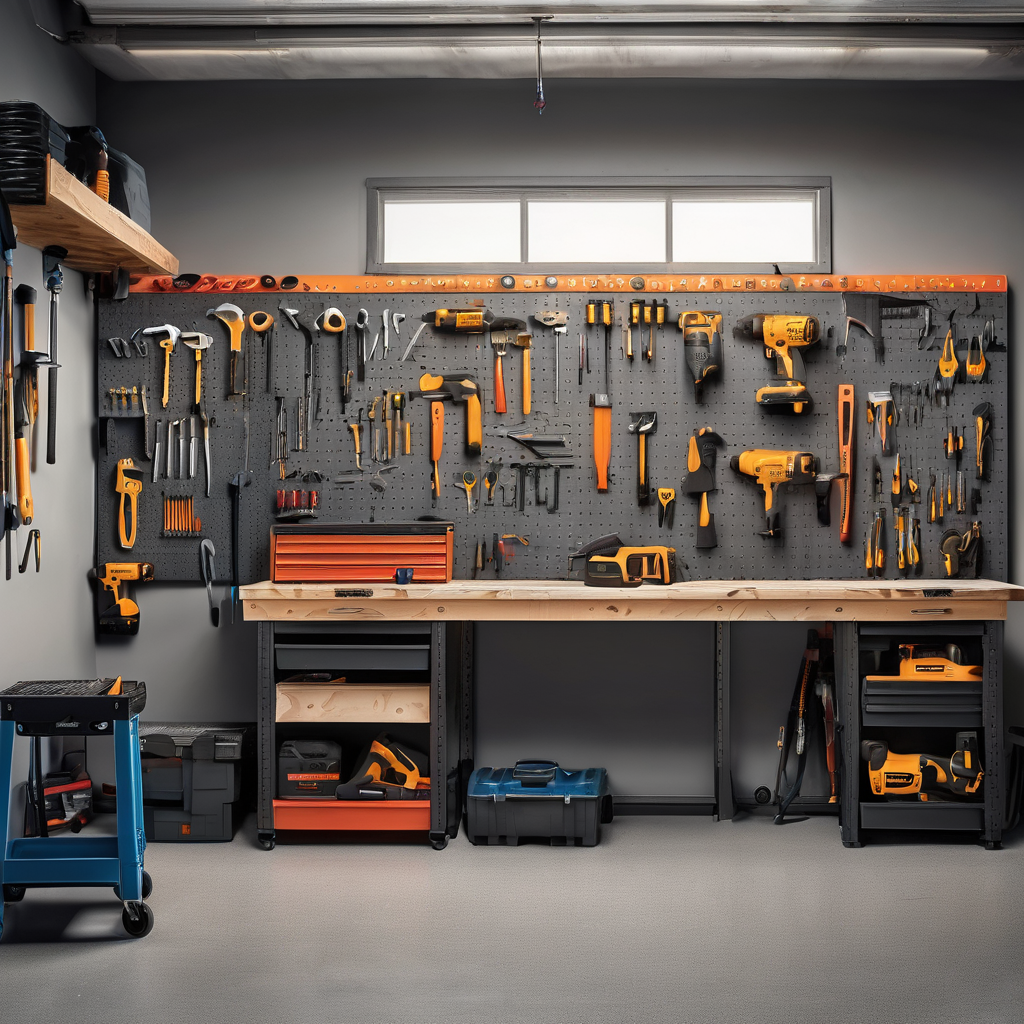
Effective tool organization starts with the principle that every tool should have a designated home. Wall-mounted pegboards remain popular because they're flexible and keep frequently used tools visible and accessible. Install pegboard along one wall of your garage workshop, leaving enough space to remove tools comfortably.
For power tools, consider rolling tool carts that can move where needed. This works particularly well in Anderson garages where you might need to relocate your workspace depending on car parking needs. Create charging stations for cordless tools with built-in storage for batteries and chargers.
Drawer systems excel for small parts and precision tools. Label everything clearly — after a few months, you'll appreciate being able to find that specific drill bit without hunting through multiple containers. Magnetic strips work wonderfully for frequently used hand tools like screwdrivers, wrenches, and pliers.
Overhead storage racks maximize vertical space for lumber, PVC pipe, and other long materials. In Anderson's humidity, ensure good air circulation around stored materials to prevent warping or rust issues.
Anderson basements offer year-round temperature control advantages but present unique organizational challenges. Moisture control becomes critical — invest in a good dehumidifier and ensure proper ventilation before setting up expensive tools.
Lighting is crucial in basement workshops. LED fixtures provide bright, cool illumination without adding heat. Install both overhead general lighting and focused task lighting at workbench areas. Many Anderson basement workshops benefit from light-colored paint on walls and ceiling to reflect available light.
Create distinct zones for different activities. Designate areas for messy work like sanding or painting, keeping them separate from precision work areas. Use industrial shelving units to create natural divisions between zones while maximizing storage capacity.
Consider acoustics if your workshop sits beneath living areas. Rubber mats under heavy equipment and sound-absorbing materials can keep family harmony intact during evening project sessions.
Your workbench serves as the heart of any organized workshop. Build or buy something sturdy enough for your heaviest projects. Many Anderson woodworkers prefer solid wood tops for traditional work, while those focused on automotive or metalwork might choose steel or laminate surfaces.
Include built-in storage in your workbench design. Drawers underneath keep frequently used tools within arm's reach, while open shelving can hold project materials. Adding a power strip with both standard and USB outlets keeps devices charged and eliminates extension cord clutter.
Vertical storage above the workbench maximizes efficiency. Install cabinets or open shelving, but leave enough clearance for your tallest projects. Consider fold-down auxiliary work surfaces that expand your workspace when needed but tuck away when not in use.
Mobile storage carts bridge the gap between permanent installation and complete flexibility. Load them with project-specific tools and materials, then roll them to your work area as needed.
Building your own storage solutions lets you customize everything to fit your specific needs and space constraints. Simple wooden boxes with dividers organize small hardware better than expensive commercial systems and cost a fraction of the price.
Repurpose materials creatively. Old kitchen cabinets work beautifully for workshop storage — many Anderson renovations generate perfectly good cabinets that just need new paint and hardware. Mason jars mounted under shelves create visible storage for screws, bolts, and small parts.
Build French cleat systems along walls for maximum flexibility. This traditional woodworking approach lets you hang and rearrange tool storage as your needs evolve. Create custom holders for specific tools or bought storage accessories that mount to the same system.
Consider building specialty storage for your most-used items. A dedicated drill bit index, router bit storage rack, or sandpaper organizer saves time and keeps expensive consumables in good condition.
Anderson's four distinct seasons create natural rhythms for workshop use and storage needs. Spring brings deck staining and garden prep projects, summer focuses on maintenance and repairs, fall means winterization and indoor project preparation, while winter offers time for detailed woodworking and planning.
Rotate stored items seasonally to keep your active workspace uncluttered. Store summer items like pool maintenance supplies and outdoor furniture refinishing materials during winter months. Similarly, holiday decoration storage often competes with workshop space during December and January.
Many Anderson workshop enthusiasts find that their project ambitions outgrow their available space, especially when tackling larger renovations or restorations. Historic homes in downtown Anderson often inspire ambitious restoration projects that require storing materials, old fixtures for reference, and specialized tools between work sessions.
For residents with established workshops who find themselves accumulating project materials faster than they can use them, or those storing items between major renovations, external storage becomes a practical solution. Whether you're keeping lumber dry for a deck project on Lake Hartwell, storing antique furniture pieces while learning restoration techniques, or keeping seasonal equipment from crowding your active workshop space, having overflow storage means your daily workspace stays organized and functional. Our 10x10 and 10x20 units at Bleckley Street Self Storage offer convenient access for workshop overflow — close enough to your home for easy trips when you need specific materials or tools, but separate enough to keep your active workspace focused on current projects.
Organization systems only work if you maintain them consistently. Establish end-of-project cleanup routines that put everything back in its designated place. This prevents the gradual slide back into chaos that defeats even the best-planned systems.
Schedule monthly organization sessions to address accumulation and reassess your systems. As your skills develop and projects evolve, your storage needs change too. What worked for basic repairs might not serve more complex woodworking or automotive projects.
Keep a running list of organizational improvements. Notice when you repeatedly search for specific items or when certain storage areas become cluttered. These patterns reveal opportunities to refine your systems.
Document your organization system with photos and labels. This helps family members respect your organization and makes it easier to maintain consistency over time.