
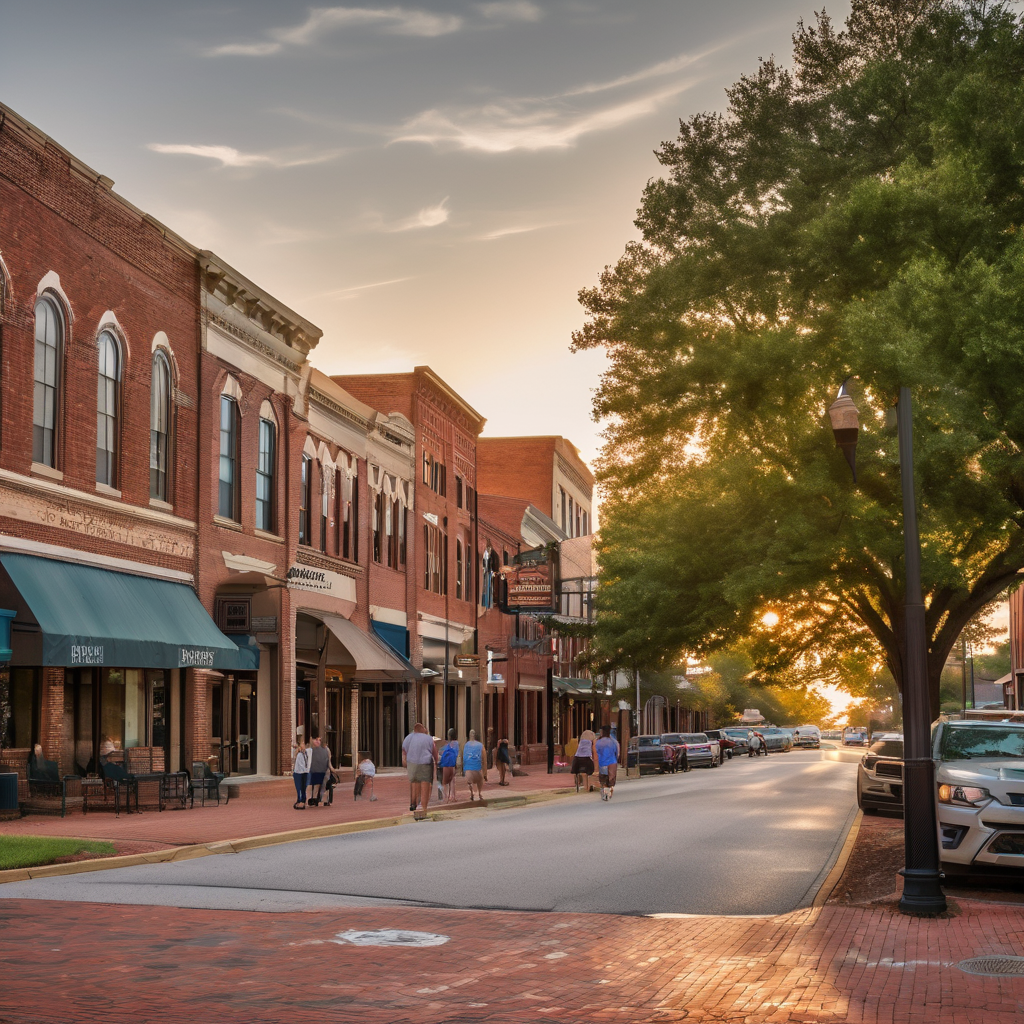
Anderson's downtown core tells the story of the Electric City through its distinct neighborhoods, each with its own character shaped by over two centuries of history. From the bustling commercial heart around Main Street to the quiet residential pockets tucked between historic mill buildings, downtown Anderson SC neighborhoods offer an intimate glimpse into how this pioneering city has evolved since becoming the first in the Southeast to harness electricity in 1895.
Walking these neighborhoods reveals layers of Anderson's past and present - antebellum homes standing alongside converted loft spaces, century-old churches neighboring modern galleries, and tree-lined streets that witnessed the transformation from agricultural hub to textile powerhouse to today's revitalized downtown. Each district has its own rhythm, from morning coffee shops to evening art walks, creating a tapestry of urban living that's both deeply rooted and continuously growing.
The heartbeat of downtown Anderson pulses strongest along Main Street, where the Historic Commercial District stretches from the Anderson County Courthouse to the railroad tracks. This area showcases the Electric City's entrepreneurial spirit through a mix of restored storefronts, local businesses, and architectural gems that span multiple decades of Anderson's growth.
The Anderson County Courthouse anchors the district with its classic revival architecture, serving as both a functioning government building and a reminder of Anderson's role as the county seat. Walking north along Main Street, you'll discover buildings that housed everything from early electric companies - a nod to Anderson's electrical pioneering - to textile merchants who built fortunes during the mill boom years.
Today's Main Street balances preservation with progress. Local coffee shops occupy buildings that once sold farming equipment, while galleries and studios breathe new life into former dry goods stores. The mix creates an authentic downtown experience where history isn't just preserved but actively lived in. Street parking and wide sidewalks make this district particularly walkable, with most destinations within a few blocks of each other.
Just off Main Street, Anderson's Arts and Entertainment Quarter has emerged as a creative hub where galleries, performance spaces, and studios cluster around converted historic buildings. This neighborhood represents downtown Anderson's cultural renaissance, where artists and entrepreneurs have transformed former commercial spaces into vibrant creative venues.
The quarter benefits from Anderson's proximity to both Anderson University and Clemson University, drawing students, faculty, and visiting artists who contribute to a dynamic cultural scene. Gallery walks, live music venues, and pop-up exhibitions regularly activate these streets, particularly on weekends when the quarter becomes a destination for residents from across Anderson County.
Architecture in this district tells the story of adaptive reuse done thoughtfully. Former textile-related buildings now house artist studios, while early 20th-century commercial structures have become performance spaces. The neighborhood maintains its historic scale and character while serving entirely new purposes, demonstrating how downtown Anderson balances preservation with innovation.
Downtown Anderson SC neighborhoods include several residential areas where historic homes create intimate streetscapes within walking distance of the commercial core. These neighborhoods feature a mix of architectural styles reflecting different eras of Anderson's development, from antebellum cottages to early 20th-century bungalows and more recent urban infill projects.
Many of these homes have been carefully restored by residents who appreciate both the craftsmanship of earlier eras and the convenience of downtown living. Tree-lined streets with sidewalks connect these residential pockets to Main Street's amenities, creating a true walkable urban experience that's increasingly rare in smaller Southern cities.
The residential character varies by street and block. Some areas feature grand homes that once belonged to textile mill owners and downtown merchants, while others showcase more modest workers' cottages that reflect Anderson's industrial heritage. This diversity creates neighborhoods with authentic character rather than uniform development, appealing to residents who value both history and community.
Anderson's Mill District represents one of the most interesting transformations in the Electric City's downtown neighborhoods. Former textile mill buildings and related industrial structures have found new life as loft apartments, creative spaces, and mixed-use developments that honor the area's manufacturing heritage while serving contemporary needs.
The massive brick mill buildings that once powered Anderson's textile economy now house everything from residential lofts to artist studios to small manufacturing businesses. These conversions maintain the industrial character - exposed brick, large windows, high ceilings - while adapting spaces for modern use. The result is a neighborhood unlike anywhere else in Anderson, where industrial architecture creates dramatic urban living spaces.
Walking through the Mill District reveals how Anderson's identity as both an industrial city and a forward-thinking community continues to evolve. Former mill housing has been restored and renovated, creating affordable residential options within walking distance of downtown amenities. The area's industrial infrastructure - wide streets, loading areas, substantial buildings - now serves residents and businesses who value both character and functionality.
Beyond the established historic districts, downtown Anderson includes emerging neighborhoods where new development meets existing character. These areas often feature a mix of restored buildings and new construction, creating transition zones that expand downtown's residential and commercial options.
Some of these emerging areas benefit from Anderson's location between Lake Hartwell and the university communities. Young professionals working in Anderson or commuting to nearby employment centers have discovered the advantages of downtown living - walkable amenities, historic character, and reasonable costs compared to larger cities. This demand has sparked thoughtful development that respects existing neighborhood character while adding housing and retail options.
The evolution of these areas reflects broader trends in small-city downtowns across the South, where people are rediscovering the advantages of urban living in communities with strong local identity. Anderson's particular advantages - its electrical history, educational connections, and lake proximity - create unique appeal for residents choosing downtown neighborhoods over suburban alternatives.
Living in downtown Anderson SC neighborhoods presents unique opportunities and occasional challenges that reflect the character of older urban areas. Many downtown residents find themselves drawn to the walkability, community connections, and historical character, but they also need to adapt to the realities of urban living in buildings that span multiple architectural eras.
Downtown Anderson residents often become collectors of local history and Electric City memorabilia, accumulating everything from vintage photographs to industrial artifacts that tell the story of Anderson's pioneering role in electrical development. Historic homes frequently reveal architectural treasures during renovations - original hardwood floors, period fixtures, or structural elements that previous owners had covered or modified. These discoveries, while exciting, often require proper preservation and sometimes temporary storage during restoration projects.
The compact nature of many downtown living spaces, from converted mill lofts to historic cottages, means residents need creative solutions for seasonal items, business inventory for the many downtown entrepreneurs, and the tools and materials that come with maintaining older properties. Many downtown Anderson residents run small businesses from their homes or nearby commercial spaces, requiring flexible storage for inventory, equipment, and supplies that can't fit in limited downtown square footage.
What are the main downtown Anderson SC neighborhoods for walking tours?
The main walkable areas include the Historic Commercial District along Main Street, the Arts and Entertainment Quarter, residential pockets with historic homes, the Mill District with converted industrial buildings, and emerging mixed-use areas. Each offers different architectural styles and community character within easy walking distance.
Is downtown Anderson SC safe for walking?
Downtown Anderson maintains active business districts and residential areas with regular foot traffic during business hours and evening events. The area benefits from natural surveillance from businesses, residents, and regular community activities that keep streets active and welcoming.
What's the best time to explore downtown Anderson neighborhoods?
Weekday mornings and afternoons show downtown at its most active, with businesses open and residents going about daily routines. Weekend evenings often feature gallery walks, live music, and dining that showcase the area's entertainment options. Each time offers different perspectives on neighborhood character.
Are there guided tours of Anderson's historic districts?
While formal guided tours vary seasonally, the Anderson County Museum and local historical organizations occasionally offer walking tours during special events. Self-guided exploration works well since most historic markers and architectural highlights are clearly visible and within walking distance of each other.
What storage options work best for downtown Anderson residents?
Many downtown residents benefit from accessible storage for seasonal items, renovation materials, business inventory, and collected local antiques. Look for facilities offering flexible unit sizes and 24/7 access to accommodate the varied schedules and storage needs that come with urban living and small business ownership.
Downtown Anderson's neighborhoods offer a genuine urban experience rooted in Electric City history and enhanced by an active community of residents, artists, and entrepreneurs. Walking these districts reveals how Anderson continues to honor its pioneering past while building a vibrant future. From historic homes to converted mill lofts, from Main Street businesses to emerging creative spaces, these neighborhoods showcase what makes Anderson unique among South Carolina cities.
Ready to explore downtown Anderson or already calling it home? Visit Bleckley Street Self Storage at 401 Bleckley Street for storage solutions that support your downtown lifestyle. Call (864) 351-4023 to learn about our 10x10 and 10x20 units with 24/7 access - perfect for downtown residents balancing historic charm with modern living needs. Your first month is free with a refundable deposit.