
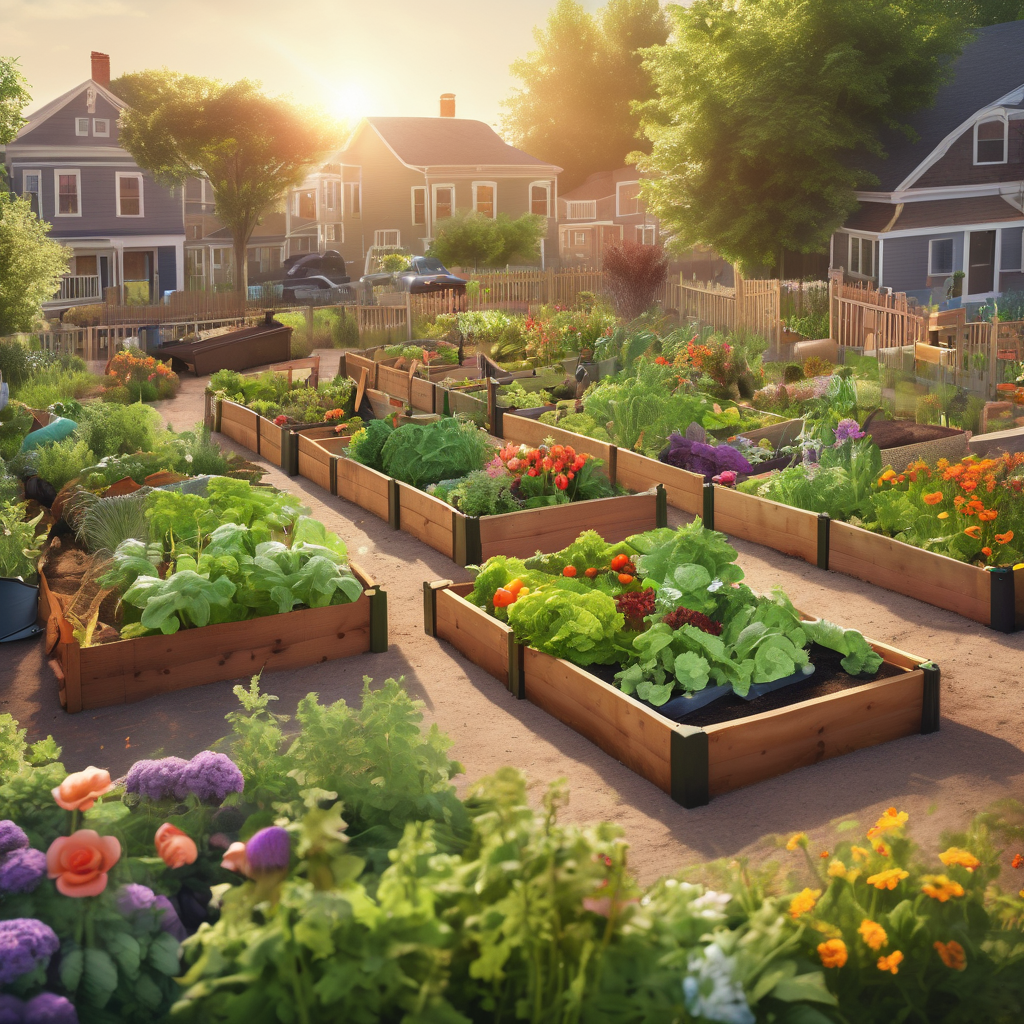
There's something magical about watching neighbors come together over shared soil and common purpose. Across Anderson SC, community gardens are sprouting up in unexpected places, transforming vacant lots into vibrant green spaces where strangers become friends and collective knowledge blooms alongside vegetables and flowers. These shared growing spaces embody the Electric City's spirit of innovation and collaboration, proving that some of the best things still grow from the ground up.
Community gardens represent more than just shared plots of land—they're living laboratories where experienced gardeners pass wisdom to newcomers, where children discover that carrots actually grow underground, and where diverse groups of people find common ground in the simple act of nurturing plants. From established gardens near Anderson University to newer initiatives in residential neighborhoods, these collaborative spaces are quietly strengthening our community bonds one harvest at a time.
Anderson's community garden movement gained momentum in the early 2000s, though the concept of shared agricultural spaces has deep roots in the Electric City's history. During the textile boom, many mill families maintained small garden plots near their homes, sharing seeds, tools, and knowledge across neighborhoods. This tradition of collective growing never fully disappeared, even as the mills closed and Anderson transformed into the diverse community we know today.
The modern community garden revival began with a few dedicated residents who saw potential in underutilized spaces around the city. They recognized that Anderson's mild climate and rich Piedmont soil created ideal conditions for year-round growing, while the city's compact neighborhoods provided perfect settings for shared garden spaces. Early efforts often started informally—neighbors cleaning up a vacant lot and planting a few rows of vegetables—before evolving into more organized community initiatives.
Today's Anderson SC community gardens benefit from lessons learned over two decades of trial and error. Successful gardens have discovered the importance of clear agreements about plot assignments, watering schedules, and shared responsibilities. They've learned which crops thrive in South Carolina's heat and humidity, and how to manage everything from soil amendments to pest control collaboratively.
Several established community gardens have taken root in Anderson County, each with its own character and focus. Near the Anderson University campus, student-organized gardens provide hands-on learning opportunities while supplying fresh produce to campus dining services. These academic gardens often experiment with sustainable growing methods and serve as testing grounds for innovative techniques.
Residential neighborhoods have embraced smaller-scale community gardens, often organized through homeowner associations or informal neighborhood groups. The Boulevard area has seen particular success with community gardens that blend edible plants with ornamental landscaping, creating beautiful spaces that serve multiple purposes. These gardens often become focal points for neighborhood social activities, from harvest festivals to educational workshops.
Some of Anderson's most interesting community gardens have emerged in unexpected locations. Former industrial sites have been transformed into productive growing spaces, while partnerships with local churches and schools have created gardens that serve multiple generations. The diversity of locations reflects the grassroots nature of Anderson's community gardening movement—these initiatives succeed because they respond to specific neighborhood needs and interests.
Anderson's community gardens reflect the character of the Electric City itself—innovative, collaborative, and deeply practical. Many gardens incorporate elements that pay homage to Anderson's industrial heritage, using repurposed materials from old textile mills or incorporating design elements that reference the city's electrical history. Rain barrels, composting systems, and tool sharing arrangements demonstrate the same ingenuity that once made Anderson a leader in electrical innovation.
The social aspect of Anderson community gardens is particularly strong, building on the city's tradition of neighborliness. Garden workdays often extend into informal potluck gatherings, where participants share not just the harvest but recipes, preservation techniques, and stories. These connections often extend beyond the garden, strengthening neighborhood relationships and creating networks of mutual support.
Anderson's gardens also benefit from the city's location between the Piedmont and the mountains, creating unique growing conditions that allow for diverse crops. Community gardens often experiment with heirloom varieties, native plants, and specialty crops that might be challenging for individual gardeners to attempt alone. This experimentation, supported by shared knowledge and resources, has led to some remarkable successes.
Joining an existing Anderson SC community garden typically begins with attending a garden meeting or workday. Most community gardens welcome new participants, though plot availability may vary depending on the season and the garden's size. Spring is traditionally the busiest time for new member recruitment, but many Anderson gardens maintain year-round growing schedules that welcome participation at any time.
New community gardeners quickly learn that success depends as much on social skills as green thumbs. Established gardens usually have systems for plot assignments, rules about organic practices, and schedules for shared maintenance tasks. The learning curve involves understanding both the specific growing conditions of your plot and the social dynamics of collaborative gardening.
For those interested in starting new community gardens, Anderson offers several resources and potential partnerships. The county extension office provides technical support and educational resources, while local environmental groups often assist with site preparation and initial organization. The key is identifying a suitable location and building a core group of committed participants before tackling the practical challenges of soil preparation and infrastructure.
Anderson's mild climate allows community gardens to remain active throughout much of the year, though seasonal rhythms definitely shape garden life. Spring brings the busiest period, with plot preparation, seed starting, and the year's major planting push. This is when community gardens buzz with activity as participants plan layouts, share seedlings, and coordinate major projects like pathway improvements or irrigation system maintenance.
Summer in Anderson community gardens requires different strategies, with heat management and consistent watering becoming primary concerns. Many gardens develop sophisticated sharing systems for watering responsibilities, especially during vacation periods when regular gardeners may be away. The summer harvest season often brings the community together for preservation workshops, teaching techniques for freezing, canning, and dehydrating the abundant produce.
Fall and winter months offer opportunities for garden improvement projects, soil building, and planning for the following year. Anderson's relatively mild winters allow for cold-season crops and give community gardens time for major infrastructure projects. This quieter season often strengthens social bonds as gardeners have more time for conversation and shared meals featuring preserved summer harvests.
Successful participation in Anderson SC community gardens often requires more equipment and supplies than initially expected. While community gardens provide the growing space, individual gardeners typically maintain their own collection of tools, seeds, soil amendments, and seasonal supplies. Many discover that storing these materials at home creates clutter and makes garden preparation more complicated than necessary.
At Bleckley Street Self Storage on Bleckley Street, we've worked with numerous community gardeners who've found that a dedicated storage space transforms their gardening experience. A 10x10 unit provides ample room for seasonal tools like tillers and wheelbarrows, bulk supplies like compost and mulch, and the accumulated equipment that serious gardeners collect over time. Many gardeners appreciate having a central location to store everything from seed starting supplies in winter to harvest containers and preservation equipment during peak season. Our 24/7 access means you can retrieve supplies early morning before garden workdays or late evening when inspiration strikes for a weekend project. With secure, accessible storage just minutes from most Anderson neighborhoods, you can focus on the joy of growing rather than worrying about where to keep all the tools that make community gardening successful.
How do I find community gardens near me in Anderson SC?
Start by checking with the Anderson County Extension Office, which maintains information about established community gardens. Local neighborhood associations and social media groups often share information about garden opportunities. Many gardens post notices at Anderson University, local libraries, and community centers during their recruitment seasons.
What should I expect to pay for a community garden plot in Anderson?
Plot fees vary widely depending on the garden's size, location, and included amenities. Some neighborhood gardens operate on minimal fees covering only shared expenses like water and tools, while more established gardens with infrastructure like fencing and storage sheds may charge seasonal fees ranging from $25 to $75 for a standard plot.
Do Anderson community gardens allow organic-only growing methods?
Most Anderson community gardens have policies favoring organic or low-impact growing methods, but specific rules vary by location. Some gardens require certified organic practices, while others simply prohibit the most harmful pesticides and fertilizers. Always check the specific garden's guidelines before joining.
Can I store my gardening supplies at the community garden site?
Storage policies vary significantly among Anderson community gardens. While some provide basic tool storage or have shed space for shared equipment, most expect individual gardeners to maintain their own tool and supply storage. Many participants find that off-site storage solutions work better for protecting valuable equipment and maintaining organized supplies.
What's the best time of year to join a community garden in Anderson?
While spring is the traditional recruitment season when most plots become available, many Anderson community gardens welcome new members throughout the growing season. Fall can be an excellent time to join, as it allows new gardeners to participate in site preparation and planning while learning from experienced members before the busy spring season begins.
Anderson SC community gardens represent the best of Electric City living—neighbors working together, sharing knowledge, and creating something beautiful from the ground up. These collaborative spaces offer more than just fresh vegetables and flowers; they provide connection, learning opportunities, and a chance to be part of something larger than individual efforts. Whether you're an experienced gardener looking for community or a beginner ready to learn, Anderson's community gardens welcome you to discover the joy of growing together. Contact Bleckley Street Self Storage at (864) 351-4023 to learn how convenient storage solutions can support your community gardening adventures, and take the first step toward joining Electric City's thriving community garden movement.