
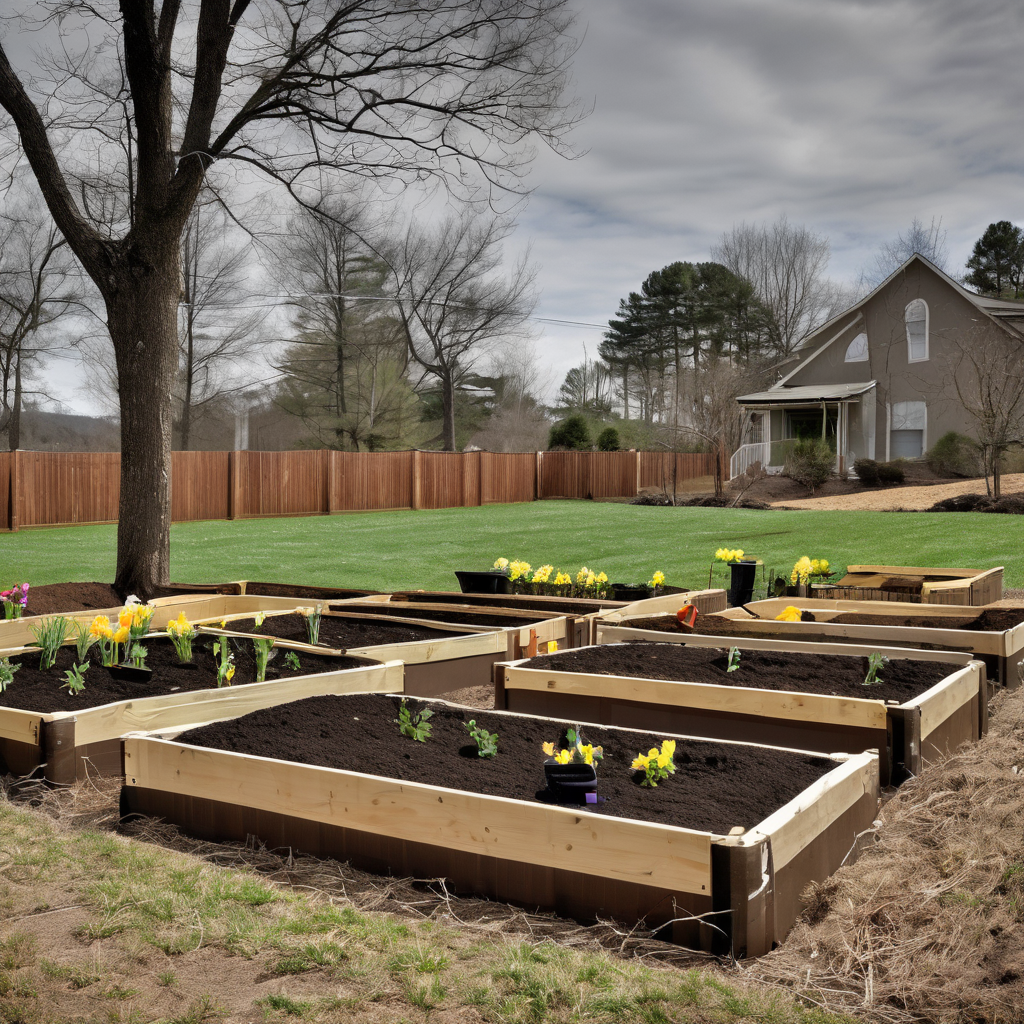
The daffodils along Boulevard Street are starting to peek through the soil, and those warmer days we've been having in Anderson tell us spring is just around the corner. For local gardeners, February and early March are crucial months for getting your garden ready for the growing season ahead. Early spring garden planning Anderson SC style means working with our unique climate zone and understanding what grows best in our Electric City soil.
Anderson County sits in USDA Hardiness Zone 8a, which gives us a longer growing season than many areas up north but also means we need to be strategic about our timing. The last frost typically occurs in mid to late March, but smart gardeners know to prepare well before that date arrives.
Our location between the Blue Ridge Mountains and the Piedmont creates a unique microclimate that affects garden planning. The Lake Hartwell area tends to stay a few degrees warmer than inland areas, while properties closer to the foothills might experience slightly cooler temperatures. Most Anderson gardens can start cool-season crops like lettuce, spinach, and peas as early as mid-March, with warm-season crops like tomatoes and peppers going in after the last frost date.
The soil in Anderson County varies significantly depending on your location. Areas near downtown and older neighborhoods often have clay-heavy soil that needs amendment, while properties closer to Lake Hartwell might have sandier conditions. Understanding your specific soil type is the foundation of successful early spring garden planning.
Start your early spring garden planning Anderson SC checklist with soil testing. Anderson University's extension programs often provide soil testing resources, or you can pick up a test kit from local garden centers. Our red clay soil is notorious for drainage issues, so most Anderson gardeners benefit from adding organic matter like compost or aged manure.
If you're gardening near the old mill areas or in neighborhoods like Homeland Park, your soil might have been compacted over the years. Breaking up compacted soil in February, before the spring rains set in, will give your plants the best chance to establish strong root systems. Add a 2-3 inch layer of compost and work it into the top 8-10 inches of soil.
For gardeners dealing with our notorious red clay, consider creating raised beds or containers. Many successful Anderson gardeners have found that elevated planting areas drain better and warm up faster in spring, extending the growing season on both ends.
The key to successful early spring garden planning Anderson SC is understanding succession planting and cool-season versus warm-season crops. Cool-season vegetables like broccoli, cabbage, and carrots can go in the ground 2-4 weeks before the last frost. In Anderson, this usually means mid-February to early March for transplants and direct seeding.
Plan your warm-season crops like tomatoes, peppers, and squash for after mid-April when soil temperatures have warmed consistently. Many Anderson gardeners start these indoors in early March, timing the seedlings to be ready for transplanting after the danger of frost has passed.
Keep in mind that Lake Hartwell's influence can create microclimates. Gardens within a mile or two of the lake often have a slightly extended season, while properties in more inland areas of Anderson County might need to wait a week or two longer for safe planting dates.
Choose varieties suited to our climate and growing conditions. Heat-tolerant lettuce varieties like 'Jericho' or 'Muir' perform better in Anderson's warm springs than northern varieties that bolt quickly. For tomatoes, disease-resistant varieties like 'Iron Lady' or 'Mountain Fresh Plus' handle our humid summers better than heirloom varieties that might struggle with late blight or other fungal issues.
Local gardeners often have success with Southern peas, okra, and sweet potatoes – crops that thrive in our heat and humidity. Talk to other gardeners at the Jockey Lot or Anderson County farmers markets for recommendations on varieties that perform well in your specific neighborhood.
Consider native and adapted plants for your ornamental areas. Native wildflowers like purple coneflower and black-eyed Susan not only support local pollinators but also require less water once established, important during Anderson's sometimes dry summers.
Early spring garden planning means organizing your tools and supplies for the busy season ahead. Many Anderson gardeners find themselves juggling winter cleanup tasks while preparing for spring planting. This transition period often creates storage challenges, especially for gardeners with limited shed space.
Garden tools need proper storage to prevent rust in our humid climate. Winter equipment like leaf blowers and rakes still have uses through early spring, but you'll also need space for seed starting supplies, new tools, and increasing amounts of potting soil and amendments. Consider how you'll organize everything from Christmas decorations that need to come down to spring planting supplies that need to be accessible. At Bleckley Street Self Storage, we see many local gardeners use our 10x10 units ($75/month) during this transition period to store seasonal items and create organized space in their existing sheds and garages for active gardening supplies.
Sketch out your garden space, noting areas that get full sun versus partial shade. Most vegetable gardens need 6-8 hours of direct sunlight, but in Anderson's hot summers, some afternoon shade can actually benefit cool-season crops that you're succession planting.
Plan for crop rotation if you're growing in the same space year after year. Avoid planting tomatoes, peppers, or eggplant in the same spots where you grew them last year, as this can lead to soil-borne disease problems. Keep records of what you planted where – many successful Anderson gardeners keep simple garden journals.
Consider water access when planning new garden areas. Anderson County water restrictions sometimes apply during dry summers, so efficient watering systems and drought-tolerant plant choices become important parts of your early planning.