
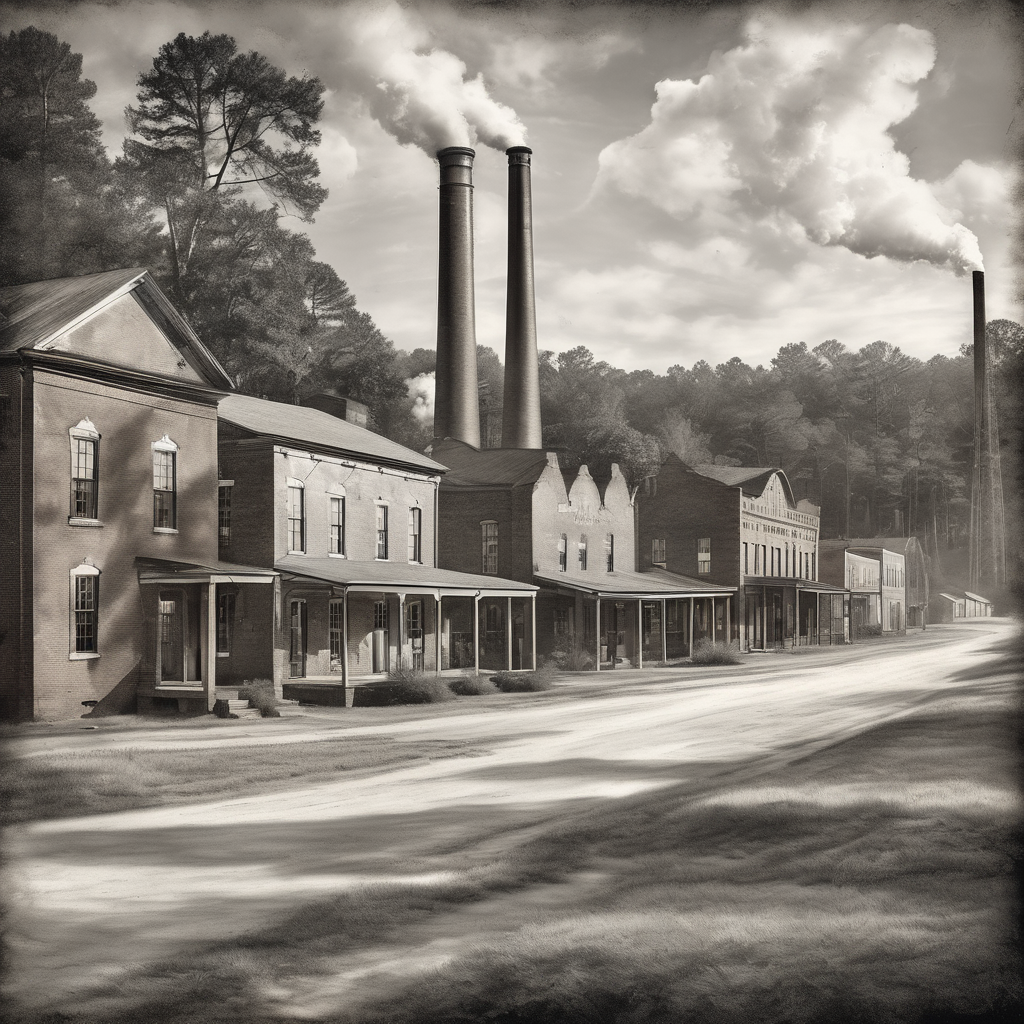
Drive through certain neighborhoods in Anderson today, and you might notice clusters of small, similar houses with deep front porches and modest yards. What many residents don't realize is that these unassuming homes tell the story of Anderson SC textile mill history – a chapter that transformed our community from a small trading post into the thriving Electric City we know today. These mill villages weren't just housing developments; they were complete communities where generations of Anderson families built lives, raised children, and created the tight-knit neighborhood culture that still defines our city.
The textile mills didn't just provide jobs – they created entire worlds within Anderson. From company stores to mill schools, baseball teams to community gardens, these villages operated as self-contained societies that shaped the character of our city in ways we're still discovering today.
Anderson's transformation into a textile powerhouse began in the 1880s, just as the city was earning its nickname as the Electric City. The same entrepreneurial spirit that brought electricity to the Southeast also attracted textile manufacturers who saw opportunity in Anderson's strategic location, abundant water power from the Rocky River, and growing railroad connections.
The mill villages that sprouted around Anderson weren't accidents of geography – they were carefully planned communities designed to attract and retain workers in an era when skilled textile workers were in high demand across the South. Mill owners understood that providing decent housing, schools, and community amenities would create a stable workforce and reduce turnover.
By the early 1900s, Anderson County boasted several major textile operations, each with its own village. The Riverside Manufacturing Company, Orr Cotton Mills, and Anderson Cotton Mills all developed substantial mill villages, creating distinct neighborhoods that operated almost like small towns within the larger community.
The mill villages of Anderson were remarkable for their sense of community organization. Unlike modern subdivisions, these weren't just places where people happened to live near each other – they were intentionally designed communities where residents shared common experiences, challenges, and celebrations.
Most mill houses followed similar architectural patterns: modest frame houses with front porches, small yards, and practical layouts designed for families of mill workers. While the houses were small – typically two or three bedrooms – they represented stability and opportunity for families moving from rural areas seeking steady employment.
The villages maintained their own stores, often operated by the mill company. These commissaries served as community gathering places where residents could purchase goods, sometimes on credit against future wages. Children attended mill schools, often built and funded by the textile companies, creating educational opportunities that might not have existed in rural areas.
Community life revolved around shared spaces and activities. Mill villages typically featured community centers, baseball diamonds, and gardens where residents could supplement their income by growing vegetables. Church services, often held in company-provided buildings, brought residents together for worship and social connection.
One of the most fascinating aspects of Anderson's mill village history is the diversity of communities that developed within these neighborhoods. While segregation was the law of the land, the mill villages created unique social dynamics that brought together families from different backgrounds, all united by the common experience of mill work.
Many mill workers came from rural areas throughout South Carolina and neighboring states, bringing different traditions, accents, and customs to Anderson. The villages became melting pots where Appalachian mountain families mixed with Piedmont farmers and families from various ethnic backgrounds, all learning to navigate industrial work and community life together.
African American mill workers, while living in segregated sections of the villages, contributed significantly to Anderson's textile industry and community development. Their neighborhoods, though separate, developed their own rich community traditions, churches, and schools that became integral parts of Anderson's broader cultural landscape.
The children who grew up in these villages often describe a childhood defined by strong neighborhood bonds. With parents working long shifts at the mills, older children looked after younger ones, and neighbors kept watchful eyes on all the community's children. This collective child-rearing approach created lasting friendships and a sense of extended family that many residents carried throughout their lives.
The influence of Anderson's mill villages extends far beyond their active years. Many of the community values, traditions, and cultural practices that define Anderson today can be traced back to these close-knit neighborhoods.
The emphasis on neighborly cooperation that characterizes many Anderson neighborhoods today has roots in mill village life, where residents depended on each other for everything from childcare to emergency assistance. The tradition of community gardens, block parties, and neighborhood watch programs can all be traced back to practices that began in the mill villages.
Anderson's strong high school sports culture, particularly football and baseball, also has connections to mill village athletics. The mill teams were sources of great pride and community identity, with entire villages turning out to cheer their teams. This tradition of community support for local athletics continues to be a defining characteristic of Anderson culture.
Many of the small businesses that give Anderson its character were started by mill village residents who used their savings and skills to open shops, restaurants, and service businesses. The entrepreneurial spirit fostered in these communities contributed to the diverse local business ecosystem that makes Anderson unique among South Carolina cities.
Today, Anderson's mill village history lives on in various forms throughout the community. Some original mill houses have been lovingly restored by families who understand their historical significance, while others have been adapted for modern use while maintaining their architectural character.
The Anderson County Museum houses extensive collections related to the textile industry and mill village life, including photographs, artifacts, and oral histories from mill village residents. These collections provide invaluable insights into daily life in these communities and help preserve stories that might otherwise be lost.
Several Anderson neighborhoods still bear the informal names of their mill village origins, and longtime residents can point out the boundaries where different mill communities once stood. Walking tours of these areas reveal architectural details and community layouts that tell the story of how these villages were designed and how they functioned.
Local historians and genealogy enthusiasts often work together to piece together family histories that trace back to the mill villages. These efforts help current Anderson residents understand their connections to this important chapter in our city's development.
For many Anderson families, connections to mill village history live on through inherited items and family stories passed down through generations. Mill village families often possessed fewer material goods due to space limitations and economic circumstances, making the items they did preserve particularly meaningful.
Family photographs from mill village days, company store receipts, mill employment records, and handmade items created during long winter evenings all serve as tangible connections to this important period in Anderson's history. These family treasures often require careful storage and preservation to ensure they can be passed down to future generations who will continue telling these important stories.
For Anderson residents who have inherited these meaningful family items, finding proper storage space can help preserve both the physical objects and the stories they represent. Whether it's old mill village photographs, handmade quilts, or employment documents that trace family history, these items deserve protection from Anderson's humidity and temperature fluctuations. At Bleckley Street Self Storage, we understand how important these family connections are to our community's ongoing story.
Anderson's textile mill village history represents more than just industrial development – it's the story of how community culture developed in our Electric City. These neighborhoods created lasting bonds between families and established traditions that continue to define Anderson today. As we preserve the physical remnants of these villages and the stories they hold, we maintain connections to the generations who built the Anderson we call home. Whether you're researching family history or simply curious about how our community developed its character, the mill village story offers insights into what makes Anderson special.