
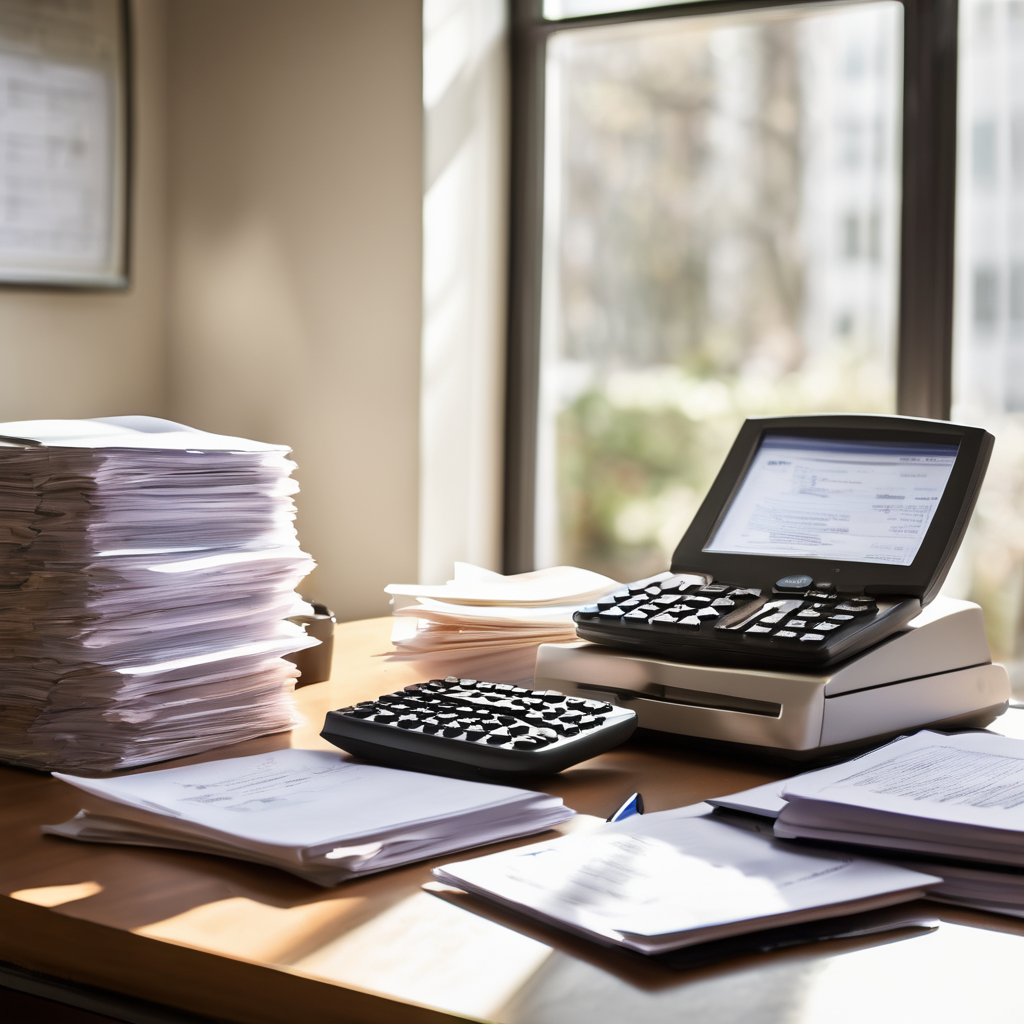
February in Anderson means more than just spotting the first daffodils around the historic courthouse square or planning weekend trips to Lake Hartwell. It's the month when mailboxes across the Electric City start filling with W-2s, 1099s, and other tax documents that need our attention. Getting organized for Anderson SC tax preparation doesn't have to feel overwhelming when you break it down into manageable steps.
Whether you're filing from your home office in Boulevard or meeting with a tax preparer downtown, having your financial documents organized can save you hours of stress and potentially hundreds of dollars in preparation fees. Many Anderson residents have discovered that a systematic approach to tax document organization makes the entire process smoother and ensures nothing important gets overlooked.
Start by designating a specific area in your home as your tax preparation headquarters. This could be a corner of your kitchen table, a desk in your home office, or even a card table set up temporarily in your living room. The key is having one central location where all tax-related documents land as they arrive.
Create clearly labeled folders or large envelopes for different categories: income documents (W-2s, 1099s), deduction receipts (charitable donations, medical expenses, business expenses), and prior year information. If you're a Bosch or Michelin employee with multiple income sources or side businesses, consider adding subcategories to keep everything straight.
As documents arrive in your mailbox, resist the urge to toss them on the kitchen counter "just for now." Take the extra thirty seconds to file them properly in your designated folders. This simple habit prevents the last-minute scramble that leaves so many Anderson families digging through stacks of mail come March.
Income documents are your starting point. Besides your primary W-2 from your employer, watch for 1099 forms if you have investment accounts, did freelance work, or earned interest from bank accounts. Anderson University employees and retirees should expect additional forms related to retirement contributions or distributions.
Don't overlook less common income sources that are particularly relevant in our area. If you rent out a lake house on Hartwell during summer months, you'll need those rental income records. Sold items at the Jockey Lot regularly? That might be considered business income requiring documentation.
Deduction documentation requires more detective work. Gather receipts for charitable donations to local organizations, medical expenses not covered by insurance, and any business expenses if you're self-employed. Anderson County property owners should locate their property tax statements, which can provide valuable deductions.
If you moved during the year – perhaps from Clemson after graduation or to Anderson for a new job at AnMed Health – collect all moving-related expenses. These can add up to significant deductions, especially for long-distance relocations.
Once you've gathered your documents, organization becomes crucial. Sort everything chronologically within each category. This approach helps you spot missing documents more easily and makes the actual tax preparation process much smoother.
Create a simple checklist of expected documents based on your previous year's return. If you typically receive three W-2s, make sure you have all three before proceeding. Missing documents can delay your refund or result in amended returns later.
Consider digitizing important documents, especially if you're working with a tax preparer who prefers electronic files. A simple smartphone scanner app can create PDF copies of your receipts and forms. Store these digital copies in clearly labeled folders on your computer or cloud storage service.
For complex situations involving business income, rental properties, or investment accounts, create a summary sheet listing all sources of income and major expenses. This overview helps you communicate more effectively with tax professionals and ensures nothing gets forgotten.
If you're preparing your own taxes, your workspace setup can significantly impact your efficiency and accuracy. Choose a location with good lighting and minimal distractions. The dining room table works well for many families, especially if you can leave everything set up for several days.
Keep your computer, calculator, and reference materials within easy reach. Have extra folders ready for documents you'll generate during the preparation process, such as worksheets or backup calculations. A good stapler, paper clips, and sticky notes can help keep everything organized as you work.
Consider the flow of your tax preparation process when arranging your workspace. Place your most frequently referenced documents closest to where you'll be working. Keep your prior year's return handy as a reference – it's amazing how many questions this simple step can answer.
If you have children, plan your tax preparation sessions for times when you can work uninterrupted. The complexity of tax forms requires focus, and having to restart calculations because of interruptions can lead to errors.
Anderson's diverse economy means many residents have income beyond traditional employment. Small business owners need to organize receipts by category: office supplies, equipment purchases, vehicle expenses, and professional services. The IRS expects detailed records, so a shoebox full of random receipts won't suffice.
If you have investment accounts, gather all 1099 forms and any documentation related to stock sales, dividend income, or retirement account distributions. Investment taxation can be complex, especially if you've made multiple transactions throughout the year.
Rental property owners face particular organizational challenges. Collect all income records from tenants, receipts for repairs and improvements, property management fees, and documentation of any vacancy periods. Lake Hartwell rental property owners should be especially diligent about separating personal use from rental use if the property serves dual purposes.
Tax season organization extends beyond just preparing your current return. The IRS recommends keeping tax returns and supporting documents for at least three years, with some situations requiring longer retention periods. This creates a storage challenge that many Anderson residents solve creatively.
Once you've completed your tax return, create a complete file containing your return, all supporting documents, and any correspondence with the IRS or state tax authorities. Label the file clearly with the tax year and store it safely. Many families find that dedicating a specific filing cabinet drawer or storage box to tax records keeps everything organized year after year.
For Anderson residents with limited home storage space or those who prefer keeping important documents in a secure, separate location, a storage unit provides an excellent solution for archived tax records and financial documents. At Bleckley Street Self Storage, we see many customers who use our 10x10 units specifically for document storage – keeping their current year's active files at home while storing previous years' returns and supporting paperwork in clearly labeled boxes. This approach protects important financial records from potential home damage while keeping them easily accessible if needed for audits, loan applications, or other situations requiring tax return verification.
When should I start organizing my tax documents in Anderson SC?
Begin organizing as soon as you receive your first tax document in January. This approach prevents the stress of last-minute scrambling and gives you time to request missing documents if needed.
What documents do I need to keep after filing my tax return?
Keep your complete tax return and all supporting documents for at least three years. Some situations, such as unreported income or significant business expenses, may require longer retention periods of up to seven years.
How can I make sure I don't miss important tax documents?
Create a checklist based on your previous year's return and track documents as they arrive. Most tax documents are mailed by January 31st, so if you haven't received expected forms by mid-February, contact the issuer.
Should I hire a tax preparer or do my taxes myself in Anderson?
This depends on your situation's complexity. Simple returns with standard deductions might be manageable with tax software, while complex situations involving business income, rental properties, or significant investments often benefit from professional preparation.
Can I store old tax returns and financial documents in a storage unit?
Yes, storage units work excellently for archived tax records and financial documents. Use waterproof containers and organize documents by year for easy retrieval. This approach keeps important records secure while freeing up space in your home.
Effective Anderson SC tax preparation organization transforms a dreaded annual chore into a manageable process. By creating systems, staying organized throughout the year, and preparing your workspace thoughtfully, you can approach tax season with confidence rather than anxiety.
Remember that good organization pays dividends beyond just tax season. The systems you create for tax preparation often improve your overall financial record-keeping, making budgeting, insurance claims, and other financial tasks easier throughout the year. Start your organization process early, and you'll thank yourself when April 15th approaches.
Ready to get organized? Contact Bleckley Street Self Storage at (864) 351-4023 to discuss secure storage solutions for your important financial documents and records.